Trump's and Women
Authored by Iris Griffith-Sobchak
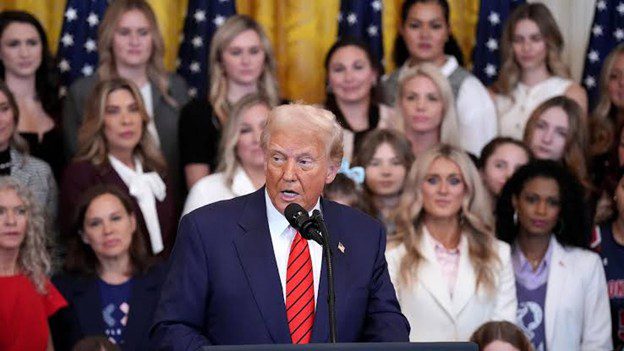
In any nation, the behavior and values of the person who holds the title of Commander-in-Chief set a precedent for what is considered acceptable in both public and private life. The President is not merely a political figure; they are also a symbol of the nation's ideals, integrity, and conduct. As such, the words and actions of the person who assumes this role have the power to influence the entire culture of the nation, including its military. When an individual aspiring to hold the office of President publicly demonstrates a blatant disregard for the values of respect, dignity, and equality, it raises significant concerns about their ability to lead the country, particularly in a role that demands moral clarity and the promotion of justice.
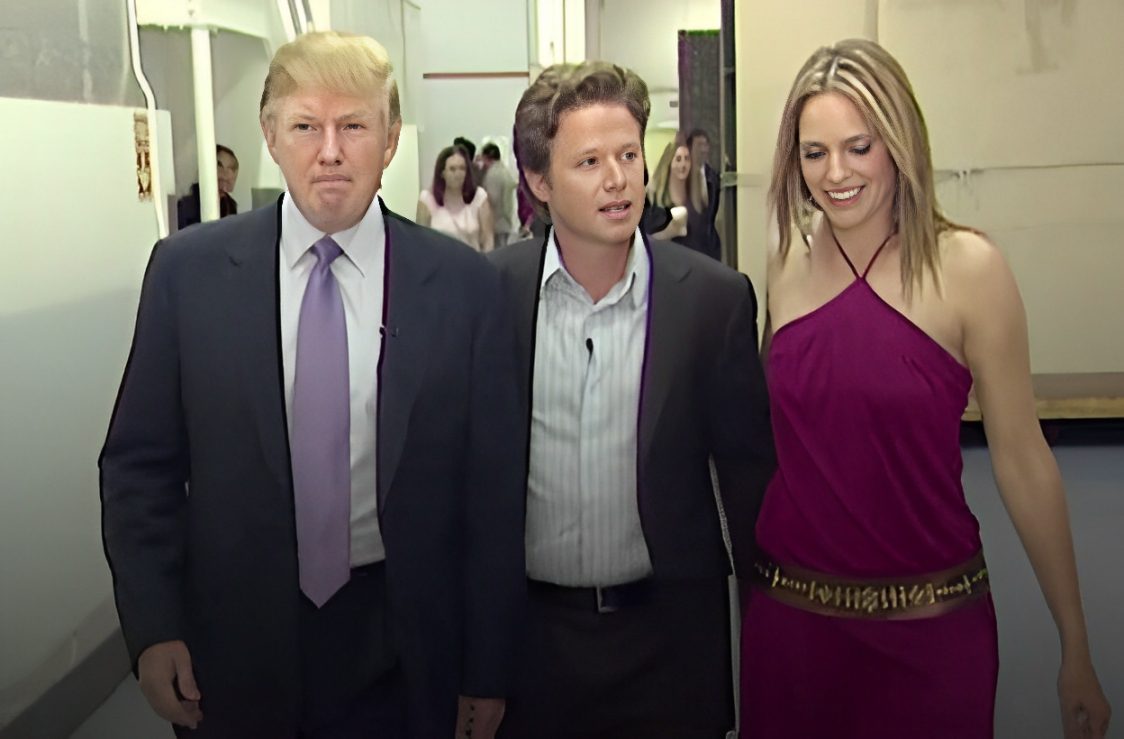
The now infamous video from his first election run in 2016 showed Republican Presidential Nominee Donald Trump engaging in an incredibly disturbing conversation about women. The recording captured Trump boasting about his ability to sexually assault women, specifically using his power and status as a means of manipulation. In this private conversation, Trump openly discussed his entitlement to women’s bodies, dismissing consent and reducing women to mere objects of desire. He bragged about kissing women without their consent and even stated that “when you’re a star, they let you do it.” Such behavior not only condones sexual assault but encourages a broader culture of aggression, entitlement, and objectification of women.
The language used by Trump in this conversation went beyond crude or inappropriate comments—it was dehumanizing. At one point, he referred to a woman as “it,” an objectified term that strips away any sense of personhood. By reducing women to mere body parts or objects of male pleasure, this kind of rhetoric perpetuates the dangerous normalization of sexism and violence against women. It sends a harmful message to society that women’s autonomy is secondary to male desire, which is a belief that should have no place in any leadership position, let alone the highest office in the land.
Furthermore, the consequences of such a mindset in the position of commander-in-chief are profound. If Donald Trump were to be entrusted with the power of the presidency, it could foster a climate where such behavior is not only tolerated but excused. A leader who demonstrates this level of disrespect for women may inadvertently normalize toxic masculinity and misogyny within the broader cultural landscape, including the military. The United States military, a proud institution built on values of honor, discipline, and respect, would find itself incompatible with a commander-in-chief who fosters an environment where women are objectified and their worth diminished. A military leader must set an example of integrity, fostering an environment where all members, regardless of gender, are respected and valued for their skills and contributions.
In addition, the military’s success hinges on a command climate of trust and professionalism, and leadership in this context requires a commitment to ensuring that every individual, man or woman, is treated with dignity. If a commander-in-chief encourages attitudes that perpetuate violence and aggression, it would undermine the military’s effectiveness and morale. This is not just about politics; it is about the foundation upon which the armed forces stand. A commander-in-chief’s behavior sets the tone for the entire nation, influencing not only the military but the country’s values, attitudes, and treatment of its citizens.
In conclusion, Donald Trump’s behavior is utterly incompatible with the responsibilities of a leader in the United States. The presidency demands an individual who upholds the highest standards of conduct, demonstrating empathy, respect, and a commitment to protecting the rights of all citizens.
Donald Trump’s frequent attacks on women—both in his public statements and personal interactions—can be attributed to a mix of deeply ingrained attitudes toward gender, a desire for control, and strategic political maneuvering. At the heart of these attacks is Trump’s long history of objectifying and belittling women, a pattern that reflects a broader worldview where women are often seen as subservient or ornamental. His behavior toward women often seems to stem from a mix of arrogance, entitlement, and a need to assert dominance, particularly over those who challenge him. Whether it's his crude language in private conversations, like the infamous "Access Hollywood" tape, or his public mockery of female political opponents, Trump’s rhetoric serves as a tool to diminish the agency of women and reaffirm his own sense of superiority.
Trump’s own background in business and entertainment has likely played a significant role in shaping his views on women. In the high-stakes world of real estate and reality television, he often operated in environments where women’s roles were primarily seen in terms of appearance or sexual appeal. His involvement in beauty pageants, where he publicly commented on the bodies and looks of contestants, reinforced this narrow view of women’s worth. For Trump, women were often not individuals with their own agency but objects to be evaluated, controlled, or conquered. This perception of women as tools to assert dominance has been evident throughout his career, culminating in the way he consistently diminishes women who challenge or oppose him.
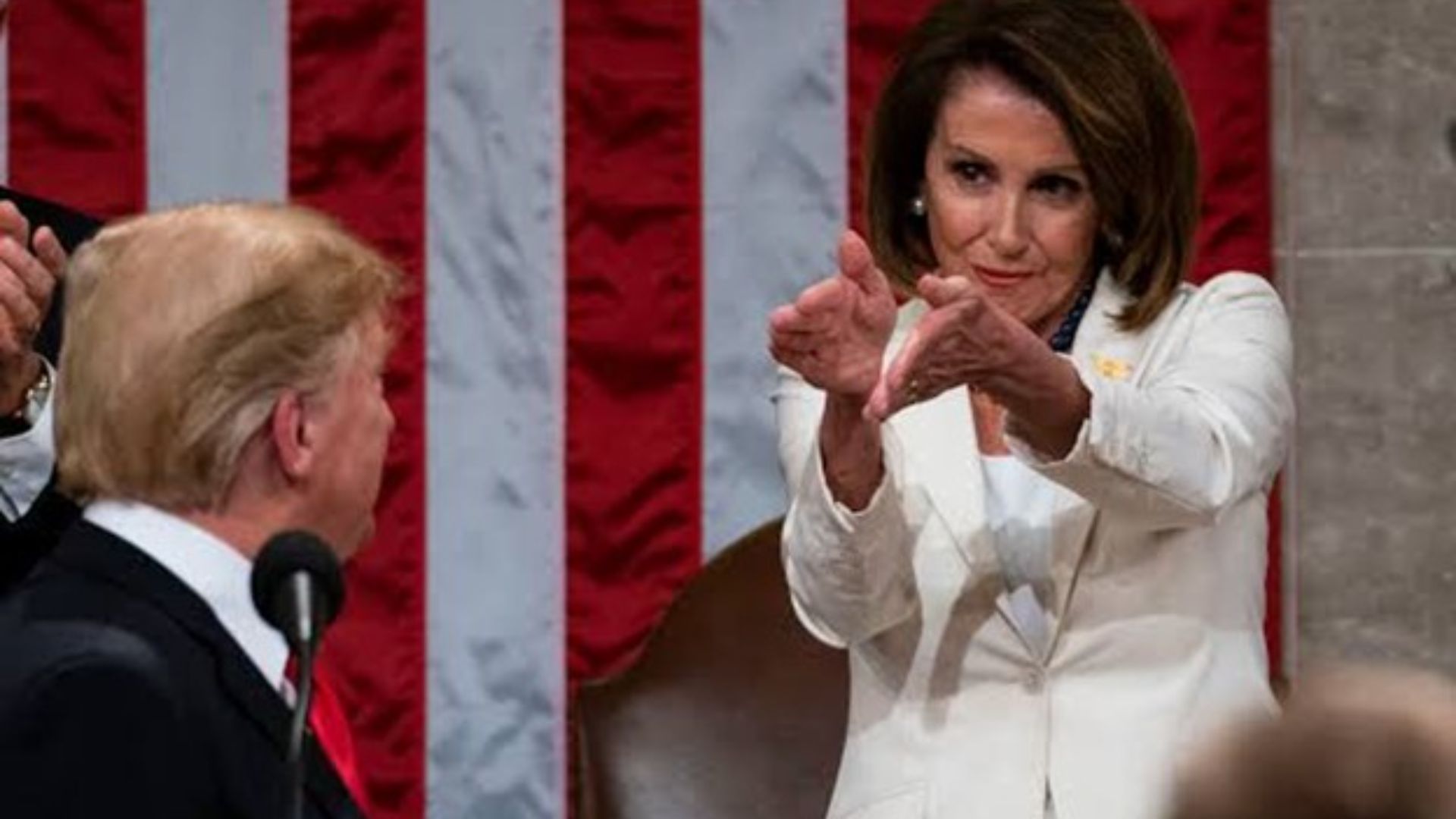
Moreover, Trump’s attacks on women are often tied to his insecurities. Throughout his political career, he has faced substantial opposition from strong female figures like Hillary Clinton, Elizabeth Warren, and Nancy Pelosi. His response to these women has typically been an attempt to belittle them, using sexist language and personal insults to weaken their authority. His mocking of Hillary Clinton’s appearance or dismissing Pelosi as “crazy” serves as an effort to undermine their political legitimacy and reinforce a traditional gender hierarchy where men are expected to dominate the political sphere. This pattern reflects his belief that power is inherently masculine, and he responds to female authority figures by trying to infantilize or delegitimize them.
Additionally, Trump’s attacks are part of a broader populist strategy. His rhetoric often caters to a segment of the population that views traditional gender roles as under siege by feminist movements, progressive policies, and societal changes. By attacking women—especially those in positions of power—Trump taps into a deep-seated cultural fear that challenges to patriarchy are threatening the status quo. In this way, his personal attacks on women are not just about asserting control over individuals, but about rallying his base by presenting himself as a defender of traditional masculinity and power. His style of political rhetoric, which frequently uses divisive and inflammatory language, thrives on creating a sense of “us versus them,” and women, especially powerful or assertive women, often become targets of this divisive strategy.
Trump’s attacks on women are complex and multifaceted, arising from a combination of personal beliefs, strategic political calculation, and an ingrained sense of entitlement. His treatment of women has been a defining characteristic of his public persona, often reflective of broader cultural and political tensions. Whether driven by a deep-rooted sense of superiority, insecurity, or a desire to maintain political power, his behavior continues to shape the way he is perceived in the public eye and remains a major point of contention in discussions of his legacy. The attacks can be categorized into a few key areas, such as derogatory remarks, accusations of sexual misconduct, and sexist policies or behaviors. Here are some of the most notable instances:
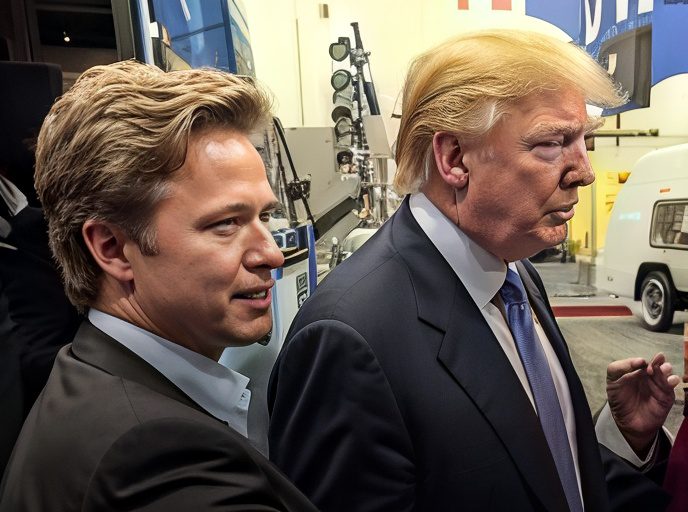
1. Derogatory Remarks & Disrespectful Language
Trump has frequently used misogynistic language in public statements and interviews. Some of the most controversial examples include:
- The "Access Hollywood" Tape (2005): This was a leaked recording of Trump speaking with Access Hollywood host Billy Bush, in which he made lewd comments about women. He famously said, “You know I’m automatically attracted to beautiful [women]—I just start kissing them. It’s like a magnet. Just kiss. I don’t even wait. And when you’re a star, they let you do it. You can do anything… Grab them by the p****.”
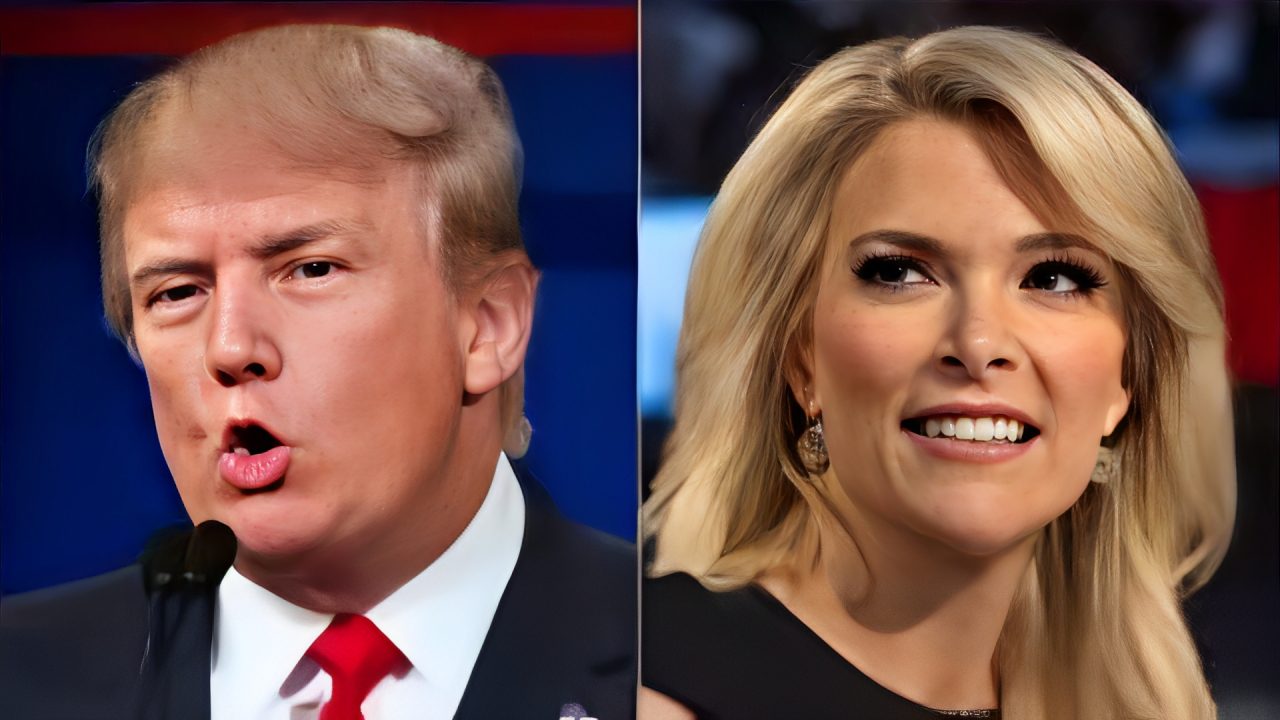
- Public Insults: Trump has called women insulting names, including “fat pig,” “slob,” and “dog.” He also called Fox News anchor Megyn Kelly a “bimbo” after their heated exchange during the 2015 Republican debate.
2. Sexual Misconduct Allegations
Numerous women have accused Trump of sexual misconduct over the years, ranging from unwanted advances to assault. Some high-profile cases include:
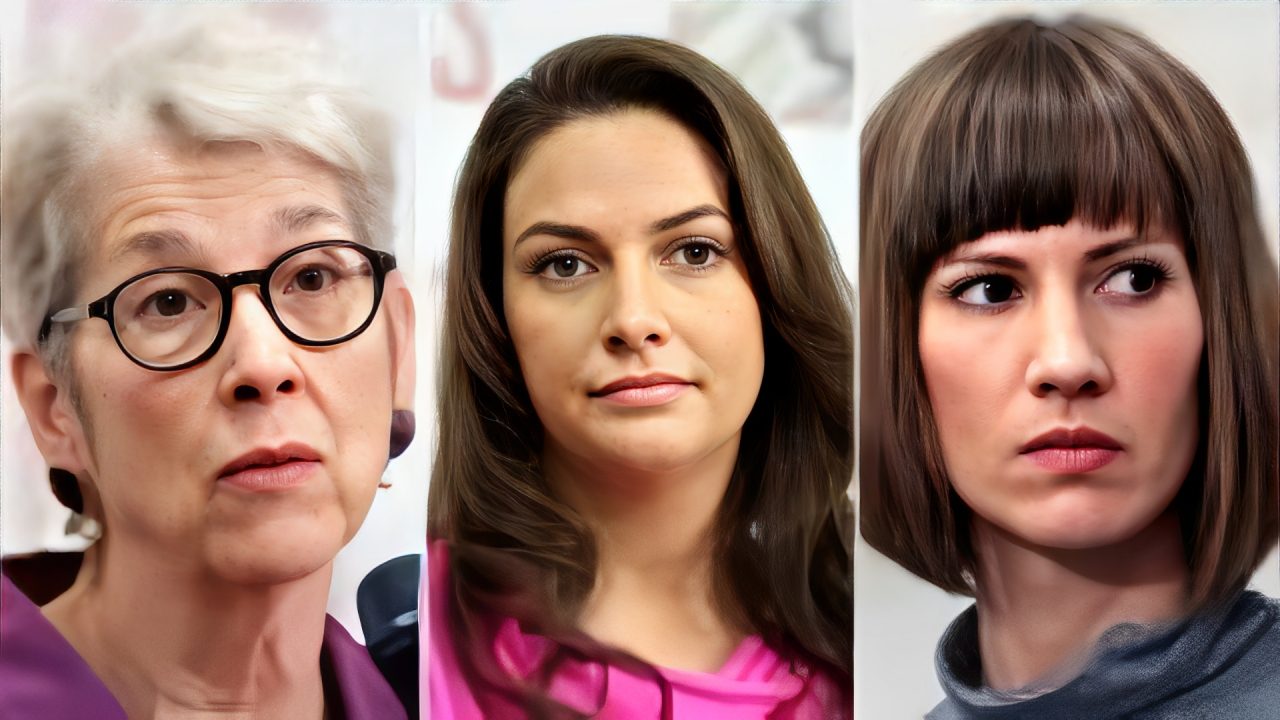
- Jessica Leeds: She claims that Trump groped her on an airplane in the 1970s when she was a seatmate of his.
- Summer Zervos: A former Apprentice contestant, Zervos accused Trump of kissing her and groping her without her consent in 2007.
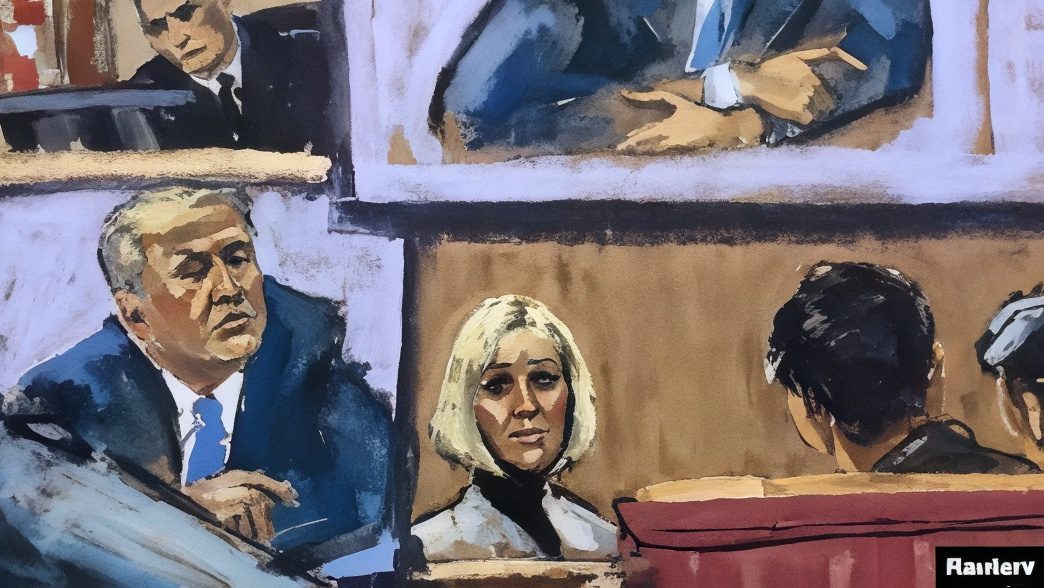
- E. Jean Carroll: In 2019, Carroll, a former Elle magazine advice columnist, accused Trump of raping her in a department store dressing room in the mid-1990s. Trump denied the accusation, calling it “fake news.”
Despite these numerous allegations, Trump has consistently denied the claims, calling the women “liars” and attacking their credibility.
3. Public Treatment of Female Opponents
Trump’s behavior toward female political opponents has also been criticized:
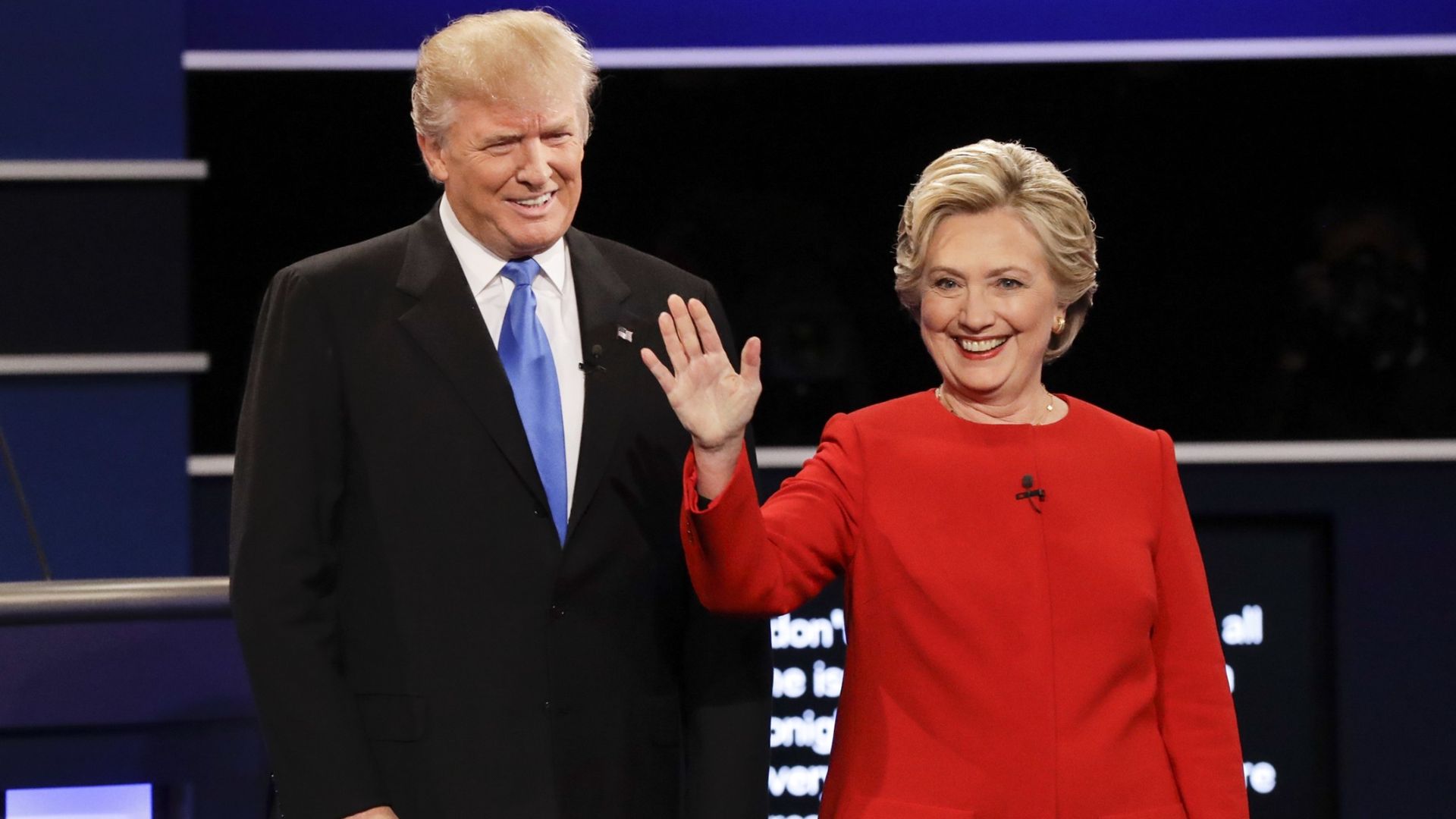
Hillary Clinton: Trump repeatedly used sexist language to attack Hillary Clinton during the 2016 presidential campaign, often referring to her as “crooked” or “corrupt.” At one point, he even suggested that her bathroom break during a debate showed weakness.
Elizabeth Warren: Trump mockingly referred to Senator Elizabeth Warren as “Pocahontas” to belittle her claims of Native American heritage, despite the fact that she identified as a small part Native American. This was widely seen as a racially insensitive and sexist jab.
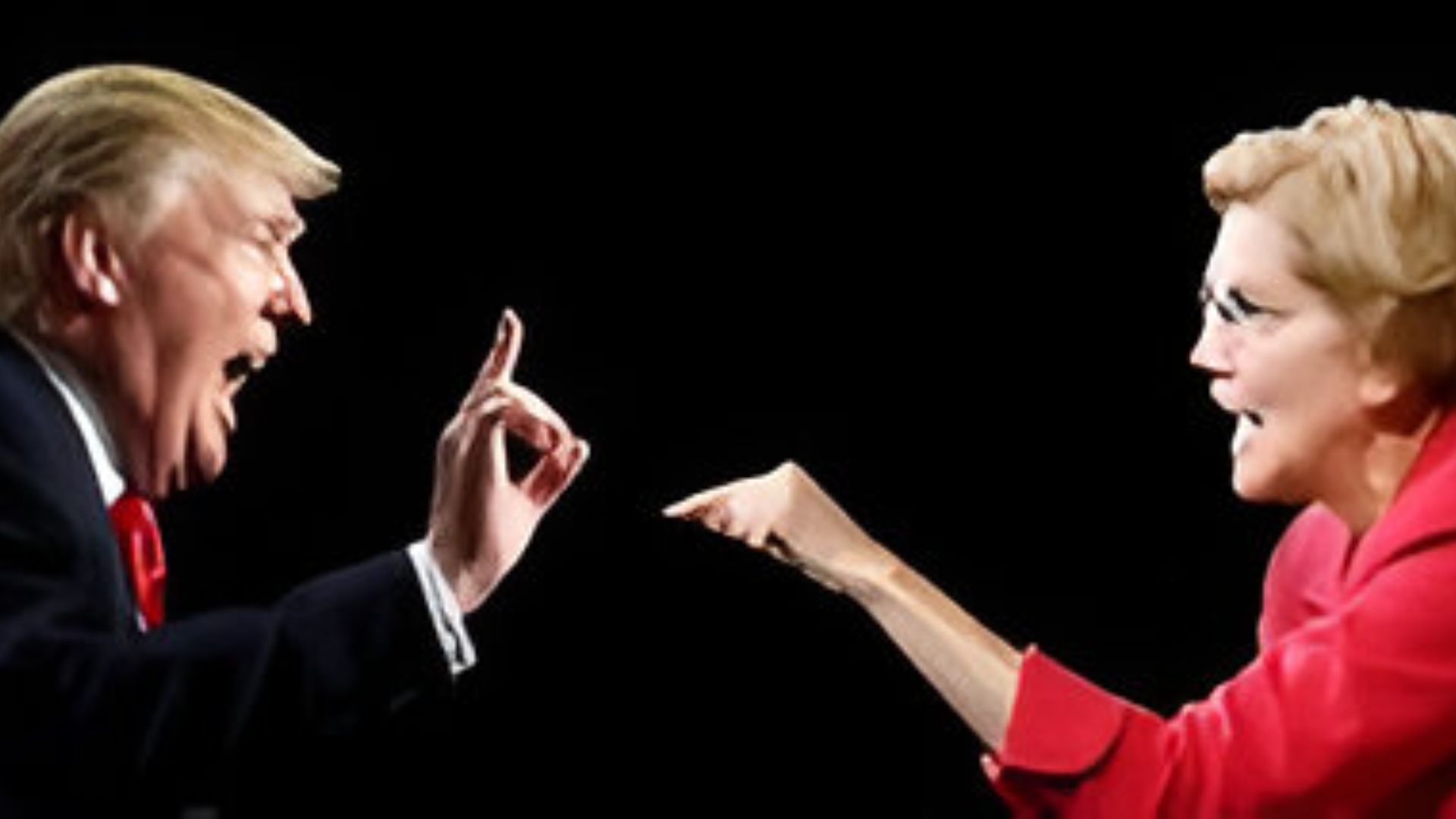
Nancy Pelosi: Trump has belittled House Speaker Nancy Pelosi in public, calling her names like “crazy” and mocking her age and appearance.
4. Sexist Policies
Trump’s administration also faced scrutiny for its policies toward women. For example:
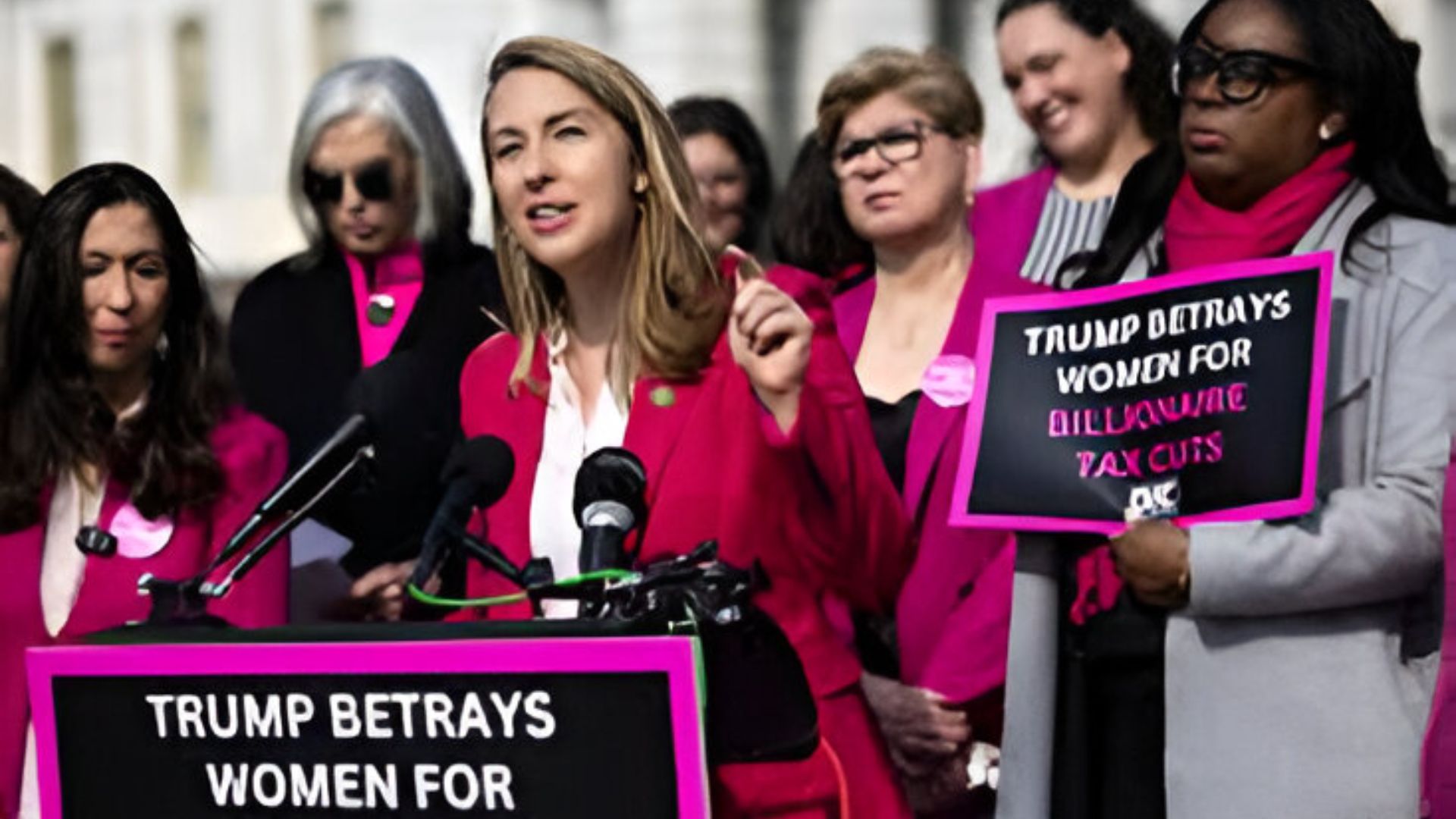
- Reproductive Rights: Trump's stance on abortion has been a focal point of his policy, aligning with conservative views on restricting abortion access. His administration supported efforts to defund Planned Parenthood and restrict access to birth control.
- Family Leave: While Trump proposed paid family leave, the policy he introduced during his presidency was far less expansive than what advocates had hoped for, and it did not guarantee paid leave for all workers.
- Workplace Equality: The Trump administration rolled back Obama-era protections for women in the workplace, particularly in terms of pay equity and protections against workplace harassment.
5. General Behavior Toward Women
Throughout his life, Trump has had a history of making women the subjects of his business decisions, personal actions, and comments. For instance, he has objectified women in public appearances, described them as trophies, and even bought beauty pageants where he made comments on the appearance of contestants. His past business practices in real estate also involved the objectification of women, where he allegedly hired models and actresses to boost his public image.
The attacks and behaviors Trump has exhibited toward women have sparked widespread debate. Many view his actions as emblematic of deep-seated sexism and an abuse of power, while others see them as the result of political and media bias. However, his presidency and public life have been marked by a level of scrutiny and controversy regarding his treatment of women that remains a central issue in discussions about his character and legacy.


Trump’s Attacks on Women in the Military
Donald Trump's attacks on women in the military have been a significant aspect of his controversial approach to gender and military service. Throughout his presidency and even before, Trump made several public statements that underscored his skepticism and sometimes outright dismissal of women serving in combat roles or holding leadership positions within the armed forces. These remarks, often laced with derogatory language or dismissiveness, reflect a broader pattern of undermining women’s authority, even in professional and respected domains like the military.
1. Opposition to Women in Combat Roles
One of Trump’s earliest and most notable criticisms of women in the military involved his opposition to allowing women in combat roles. Although the Pentagon lifted the ban on women in direct ground combat in 2013 under the Obama administration, Trump made it clear during his campaign and presidency that he was not fully supportive of women serving in such roles. In 2016, Trump suggested that he was concerned that female soldiers would “hurt the military” and indicated that he was not keen on allowing women to serve in combat positions. He often used traditional gender stereotypes to express his views, stating that women would be too vulnerable in combat situations and that their presence could be disruptive to unit cohesion. This stance was not just about questioning the military’s readiness for change, but also about a belief that women inherently lacked the physical and emotional fortitude to handle the most dangerous and demanding roles in the military.
2. Comments on Female Military Leaders
Trump’s attacks on women in the military extended beyond the question of combat roles to encompass his treatment of female military leaders. He often disparaged women in leadership positions, undermining their authority and questioning their capabilities. A prime example was his treatment of Admiral Michelle Howard, who became the first woman to reach a four-star rank in the Navy. During his time as president, Trump frequently praised military figures with traditional, male-associated qualities, while barely acknowledging or downplaying the achievements of women like Howard. His failure to recognize her achievements publicly demonstrated his reluctance to fully embrace women in high-ranking military positions, reinforcing his tendency to undervalue female leadership.
3. Attack on Rep. Tammy Duckworth
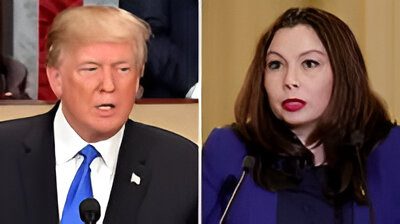
One of the most high-profile examples of Trump’s attacks on women in the military came in 2017 when he mocked Tammy Duckworth, a U.S. Senator from Illinois and a decorated combat veteran who lost both of her legs in a helicopter crash while serving in the Iraq War. During a rally, Trump questioned Duckworth's patriotism and military service, sarcastically asking, “I don't know if she’s a hero, but certainly she's a big story." Duckworth, a Democrat and former Army helicopter pilot, was widely respected for her military service and her commitment to public service. Trump’s comment was widely seen as a direct attack on her character and a belittling of her sacrifice. Duckworth, who had made history as the first woman with a disability to serve in the Senate, rebuked Trump’s remarks, with many in the public and military community condemning his lack of respect for a highly decorated veteran and elected official.
4. Impact on Military Policy
Trump’s views on women in the military were not only reflected in his public statements but also influenced military policy during his administration. While he did not make significant moves to reverse the Obama-era policy allowing women in combat, his comments and actions suggested a reluctance to fully integrate women into all areas of military service. For instance, his administration was slow to implement programs to address sexual harassment and assault in the military, which disproportionately affect women. Critics argue that Trump’s dismissive attitude toward women in the military contributed to a culture that tolerates inequality and undermines efforts to create a more inclusive and supportive environment for female service members.
5. Military Sexual Assault and Gender Inequality
Trump’s stance on gender equality in the military extended beyond his comments on women in combat roles and leadership. His administration’s response to issues like sexual harassment and sexual assault in the military was often criticized for lacking urgency. While sexual violence and harassment are significant concerns for women in the military, Trump’s approach to these issues seemed to dismiss the severity of the problem. For example, when discussing the #MeToo movement and women’s experiences of harassment in the military, Trump often downplayed the issue or refused to engage with calls for more robust reforms. His inaction on these matters was seen as another indication of his failure to recognize the challenges women face in the armed forces.
Conclusion
Trump’s attacks on women in the military reflect broader patterns of sexism and gender bias that characterized much of his presidency. His skepticism about women serving in combat, his dismissive comments about women in leadership roles, and his attacks on women veterans like Tammy Duckworth all contributed to an environment where women’s contributions to the military were often undermined or belittled. His approach not only failed to acknowledge the critical role women play in the armed forces but also reinforced outdated, patriarchal views of military service. These attitudes shaped military policy and culture, and continue to influence the ongoing struggle for gender equality in the U.S. military.
Trump on Women at West Point
Donald Trump's comments and actions regarding women at the U.S. Military Academy at West Point have drawn significant criticism, particularly for their apparent dismissal of the capabilities and accomplishments of female cadets and officers. West Point, one of the premier military institutions in the United States, has long been a site of historic gender battles, as women were only admitted to the academy in 1976. Trump's rhetoric and behavior regarding women at West Point seem to reflect his broader tendencies to undermine the achievements of women in male-dominated fields, particularly in military and leadership roles. His actions have stirred up controversy and concern among military leaders, women service members, and the broader public.
1. The 2020 West Point Graduation Speech
One of the most notable examples of Trump’s treatment of women at West Point occurred during his commencement address at the 2020 graduation ceremony. In his speech, he mentioned the “incredible” success of West Point’s cadets but focused much more on the male cadets in his remarks. While he praised many of the male cadets for their achievements, he did not provide the same level of attention or praise to the female cadets. This subtle disregard for the women graduating from the academy stood in contrast to the emphasis he placed on the accomplishments of their male counterparts. Although there were women who graduated that year with top honors, including Cadet Lauren W., who was named first in her class, Trump’s remarks seemed to ignore the significance of their accomplishments.
Additionally, Trump’s speech drew criticism for focusing heavily on military dominance and patriotism, with little recognition of the specific challenges female cadets face in an institution that has historically been male-dominated and resistant to gender integration. His failure to mention or acknowledge women graduates in a significant way reinforced the notion that women’s contributions to the military, even in prestigious institutions like West Point, are often overlooked.
2. The Dismissal of Women in Military Leadership
During his time as president, Trump made several public statements that indicated a broader disregard for women in military leadership positions. This attitude was not limited to just West Point, but was evident in his treatment of female officers across the military. However, his comments about women at West Point seemed to reflect a similar sentiment—one that often placed women in the background or treated them as secondary figures. For example, in interviews and speeches, Trump would frequently praise male military leaders but fail to acknowledge the achievements of women serving in senior roles, including those who graduated from elite military academies like West Point.
Trump’s treatment of women leaders, including those who rose through the ranks at prestigious institutions like West Point, suggested a deep-seated belief that military leadership, especially at the highest levels, was still primarily a male-dominated domain. His public remarks and actions seemed to minimize the importance of female leaders in the military, despite their proven abilities and contributions.
3. Gender-Based Inequality at West Point
Beyond Trump’s public comments, gender-based inequality at West Point was a problem during his presidency. While the academy had made significant strides in integrating women, many female cadets still faced challenges that their male counterparts did not experience, including issues related to sexual harassment, underrepresentation in leadership roles, and discrimination in physical training requirements. West Point, like other military academies, had also struggled with a culture of sexism and gender bias.
Trump’s presidency coincided with efforts by advocates to push for more systemic changes at West Point to better support women cadets and address sexual harassment in the military. However, his administration was slow to address these concerns in a meaningful way. Under Trump, there was a lack of vocal support for addressing issues like sexual assault and harassment, with some critics accusing the administration of sidelining these critical issues. Female cadets at West Point, who were already navigating a hostile environment, were further discouraged by the administration’s indifference to their concerns.
4. The Lack of Focus on Gender Equality Issues
Trump’s lack of focus on gender equality in military institutions was evident when it came to addressing systemic barriers to women’s success, particularly at West Point. His administration did not take significant steps to promote gender equity within the military or in military academies like West Point. One example was his administration’s reluctance to address policies around the prevention of sexual harassment and assault in military settings, issues that disproportionately affect women.
While women at West Point were making strides in their academic and military careers, Trump’s failure to champion gender equality policies created an environment where these accomplishments were often downplayed. By not publicly supporting efforts to address gender inequality, his stance reinforced the notion that women’s success in the military was either secondary to or less important than their male counterparts’ achievements.
5. Closing women centered clubs at West Point
6. Overall Impact
Trump’s attacks on women at West Point, whether through dismissive rhetoric or a broader failure to support gender equality, mirrored his overall attitude toward women in the military. His actions contributed to an environment that was less supportive of female cadets and officers, undermining the accomplishments of women at one of the most prestigious military institutions in the country. While his administration may not have overtly rolled back policies allowing women to serve in combat or rise to leadership roles, his rhetoric and actions created a culture that made it difficult for women to receive the full recognition and support they deserved.
In conclusion, Trump’s approach to women at West Point highlighted his broader patterns of gender bias and his tendency to downplay or dismiss the achievements of women, especially in traditionally male-dominated fields. His failure to acknowledge the full contributions of female cadets and officers at the academy reinforced the structural inequalities women continue to face in military institutions. For many, his presidency served as a reminder of the ongoing struggles for gender equality in the U.S. military, and his treatment of women at West Point became a focal point for discussions on how far the military still needs to go to achieve true inclusion and equity for women.
Sources:
https://www.nytimes.com/2025/04/07/us/politics/trump-us-military-nato-official-fired-chatfield.html
https://www.yahoo.com/news/trump-fires-top-female-admiral-012015285.html
https://www.cnn.com/2016/09/08/politics/donald-trump-military-sexual-assault/index.html
https://www.wsj.com/public/resources/documents/trumpmilitary.pdf